
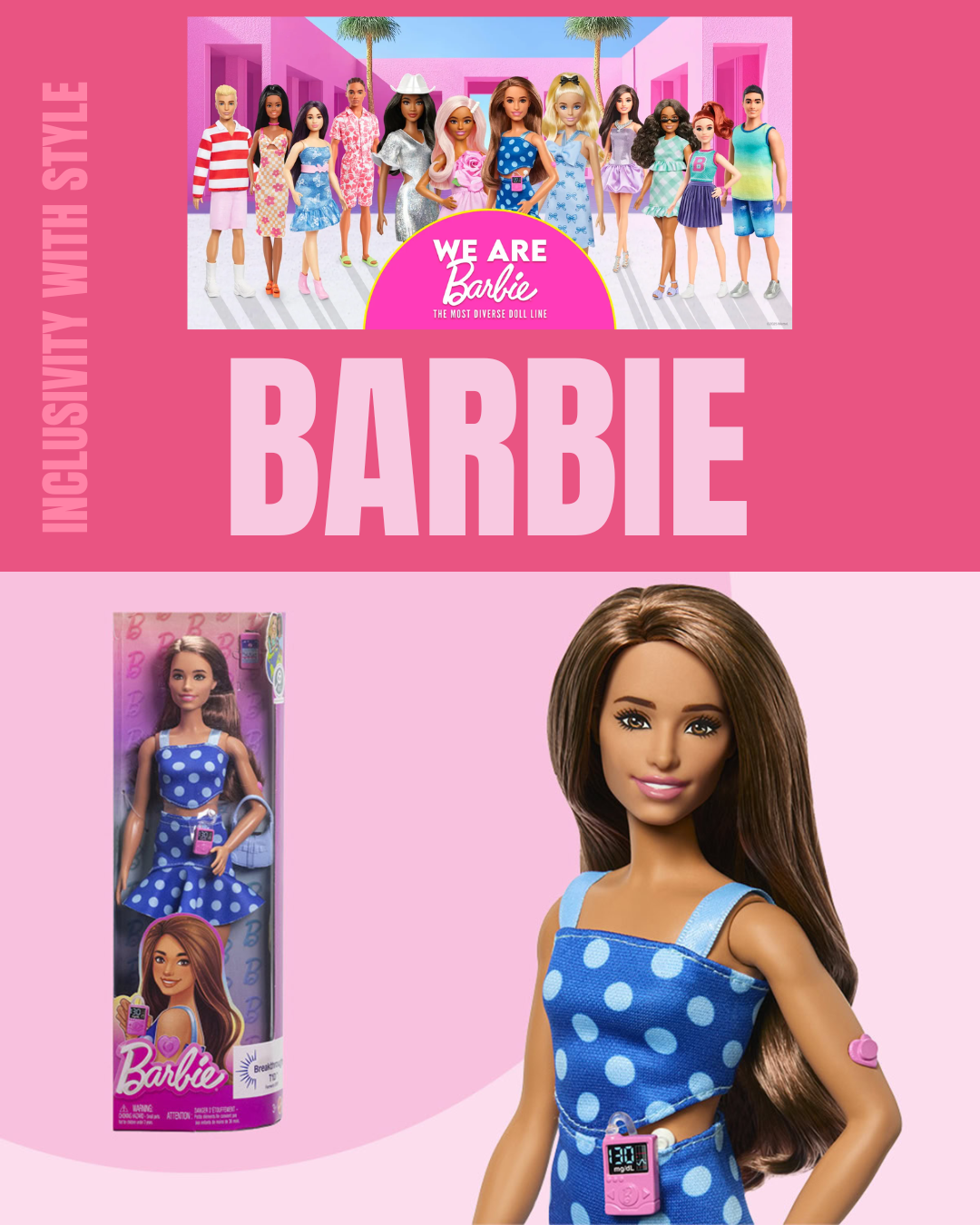
For decades, Barbie has functioned as more than a toy. She has been a cultural symbol—sometimes aspirational, sometimes controversial, but always influential. In recent years, Mattel has deliberately repositioned Barbie from a narrow ideal of perfection to a broader, more inclusive representation of real lives. One of the most meaningful steps in this journey has been Barbie’s Type 1 Diabetes (T1D) campaign, which integrates medical realism, emotional sensitivity, and purpose-driven marketing.
This campaign is not merely about launching a new doll. It is about normalising chronic illness, validating lived experiences, and using brand power to reshape social perception.
Understanding the Context: Why Type 1 Diabetes Representation Matters
Type 1 Diabetes is a lifelong autoimmune condition that often begins in childhood. Children living with T1D manage blood glucose levels daily through insulin injections or pumps, continuous glucose monitors (CGMs), dietary planning, and constant vigilance. Despite its prevalence, representation of T1D in mainstream media—especially in children’s products—has been minimal.
The absence of representation has consequences. Children with chronic conditions often feel “different” or isolated. Toys, which play a formative role in identity-building, can either reinforce this isolation or help bridge it. Barbie’s T1D campaign recognises this gap and addresses it with intention.
The Campaign: From Symbolism to Substance
Barbie’s Type 1 Diabetes doll is designed with medical accuracy and thoughtful detail. The doll visibly wears a Continuous Glucose Monitor and an insulin pump—devices that are part of everyday life for millions of children worldwide. These elements are not hidden or softened; they are presented matter-of-factly, as normal extensions of the doll’s identity.
Crucially, the doll is not defined by diabetes. She continues to exist within the Barbie universe of careers, play, and imagination. Diabetes is portrayed as one aspect of her life—not a limitation, not a storyline of struggle, but a reality that coexists with everything else.
This framing is what distinguishes the campaign from tokenism. The condition is neither sensationalised nor minimised.

Marketing with Empathy, Not Exploitation
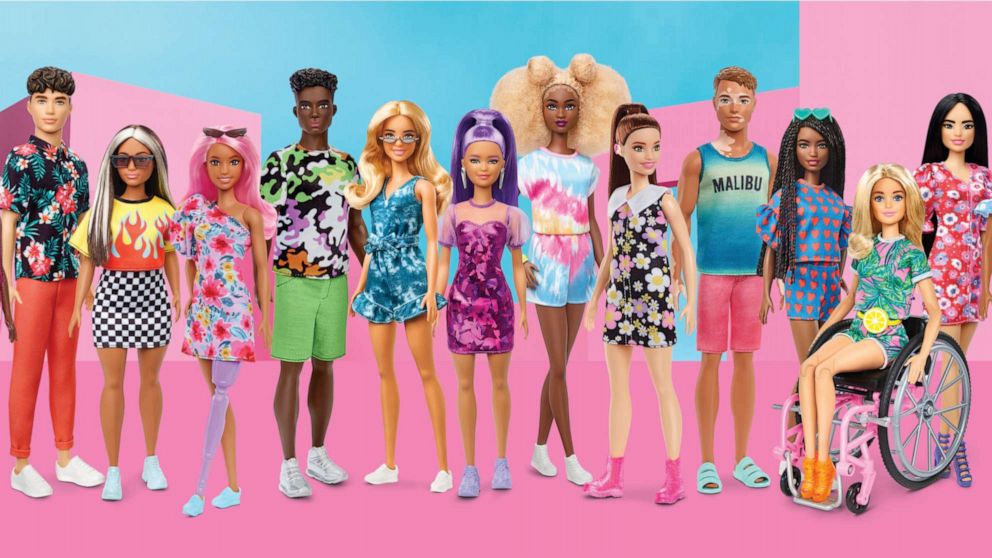
From a marketing perspective, the campaign reflects a clear shift from transactional branding to values-driven storytelling. Mattel does not position the doll as a “special” or “limited sympathy product.” Instead, it is integrated into Barbie’s broader inclusive dolls portfolio, alongside dolls representing different body types, abilities, ethnicities, and conditions.
This approach aligns with modern consumer expectations—especially among parents and Gen Z audiences—who increasingly evaluate brands on ethical alignment and social responsibility, not just product quality.
The messaging remains subtle and respectful. There is no overt emotional manipulation, no dramatization of illness. Instead, the campaign allows parents, caregivers, and children to interpret and engage with the doll organically.
Impact Beyond the Product
The real success of the campaign lies in its ripple effects:
- For children with Type 1 Diabetes, the doll provides validation. Seeing a globally recognised toy reflect their reality can reduce feelings of isolation and foster self-acceptance.
- For children without the condition, it encourages early empathy and understanding, helping normalise medical devices and chronic illness.
- For parents and caregivers, it signals recognition—an acknowledgment that their child’s experience matters.
- For the industry, it sets a benchmark for how health-related representation can be handled with dignity and care.
This is brand-led social impact without moral grandstanding.
Strategic Brand Takeaways
From a brand strategy standpoint, Barbie’s Type 1 Diabetes campaign demonstrates several key principles:
- Authenticity over optics
Representation works when it is accurate, researched, and lived-in—not symbolic or performative. - Integration, not isolation
Inclusion is most powerful when it is embedded into the core product ecosystem, not treated as a side initiative. - Long-term brand equity
Campaigns like this may not drive immediate sales spikes, but they significantly strengthen emotional brand equity and trust over time. - Cultural leadership
Barbie continues to transition from a reflector of culture to a shaper of culture—using its scale responsibly.
Conclusion
Barbie’s Type 1 Diabetes campaign is a compelling example of how marketing can move beyond persuasion and into participation in social progress. It does not attempt to “solve” a condition or tell an inspirational story. Instead, it does something far more powerful: it normalises reality.
In doing so, Barbie reinforces its evolving identity—not as a symbol of perfection, but as a platform for representation. And in today’s marketing landscape, that shift is not just commendable—it is essential.
Leave a Reply