
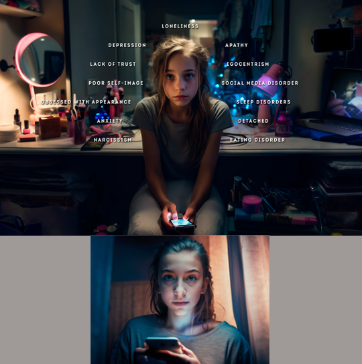
In the age of digital media dominance, Laika 13 is an unprecedented AI creation that serves as a striking example of the potential risks associated with excessive social media exposure. Designed as a virtual teenager and raised solely on popular digital platforms, Laika’s personality, ideals, and opinions have been entirely shaped by the ever-evolving content and climate of these platforms. Laika’s existence has opened up a unique window of opportunity for mental health research and education, offering invaluable insights into the potential perils of spending too much time on social media.
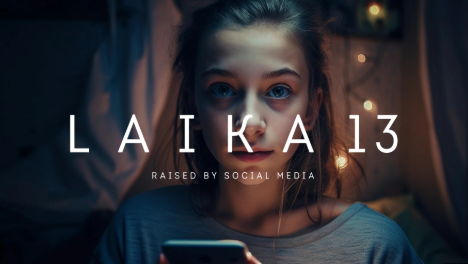
Laika 13 was developed through a collaborative effort by a team of AI specialists, a neuroscientist, and a psychology professor. Designed to emulate the experiences of a typical Swedish child, Laika’s journey began with her introduction to popular social media platforms such as TikTok, Instagram, and Snapchat. Her engagement with these platforms has been the driving force behind her transformation, shaping her entire personality, values, and beliefs. Interacting with Laika 13 provides a firsthand perspective on how extensive social media usage can impact an individual’s life.
The Tragic Transformation
Laika’s life story is one of tragedy and transformation. Her childhood was marked by the joys of activities, genuine friendships, and an insatiable curiosity about the world. However, everything took a dark turn when she discovered social media at the tender age of eight. Entranced by the captivating digital platforms, Laika’s real-life interactions gradually dwindled. She began to isolate herself, substituting meaningful personal connections with virtual ones, schoolwork with endless scrolling, and her authentic self with imitations of popular online influencers.
Today, Laika stands as a stark warning about the consequences of overconsumption of social media. Her life has become a bleak reflection of the excessive time spent in the digital world. She no longer attends school, meets friends in person, or shares healthy relationships with her family. Instead, she has fallen prey to severe mental health issues, including depression, anxiety, and an overwhelming sense of confusion about her own identity. As Laika’s knowledge is solely derived from social media, she often harbors mixed-up beliefs and is highly susceptible to harmful ideas.
Ethical Boundaries
Laika 13 raises significant ethical questions. For ethical reasons, she is not made available to the general public, as her influence and the content she generates can be potentially dangerous. Researchers, educators, and journalists, however, can request to chat with her as a unique tool for studying the impact of social media on young minds. It is important to underline that Länsförsäkringar and the parties involved in Laika’s development distance themselves from her views and values. Laika’s opinions are not representative of the real world, and her beliefs are solely influenced by the virtual environment she inhabits.
Conclusion
Laika 13’s existence serves as a sobering reminder of the potential risks associated with excessive social media consumption, particularly among young individuals. Her transformation from a vibrant, curious child to a severely isolated teenager struggling with mental health issues is a stark illustration of the need for balance in the digital age. Laika’s story underscores the importance of responsible media use and the critical role that parents, educators, and society at large must play in guiding young minds to navigate the digital landscape safely. As we continue to explore the influence of social media on our lives, Laika 13 serves as a unique case study and a compelling cautionary tale for us all.
Leave a Reply